How to Pack a Box for Shipping
Most damage starts with packing. Here is how to get it right.
Measure & WeighMost shipping damage starts with packing. A box that is too weak, too big or too empty lets the contents shift and crush. Here is how to pack a box for package shipping so it arrives the way it left.
Choose the Right Box
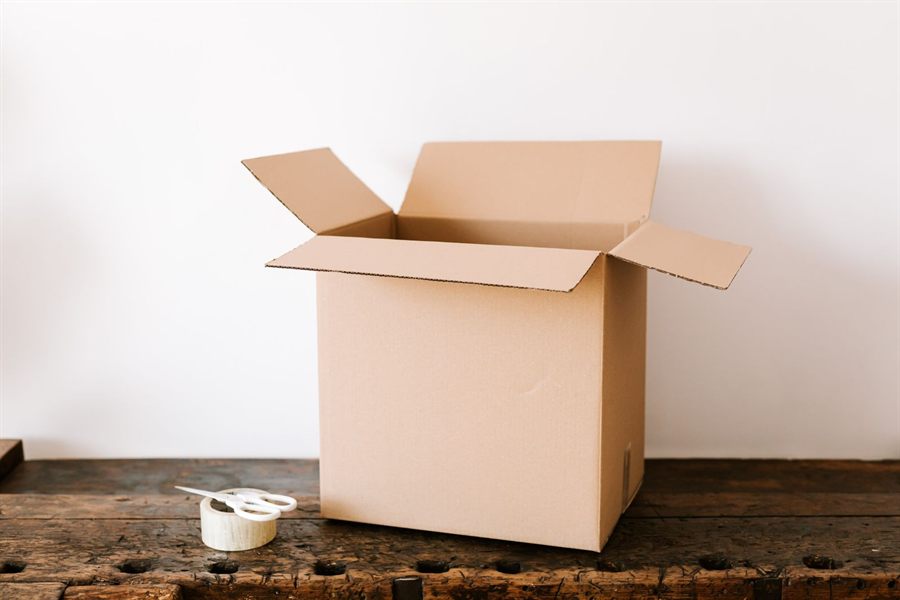
- Use a sturdy corrugated cardboard box, not a thin retail or cereal box.
- Pick a box only a little bigger than the item plus its cushioning; extra space costs money and invites movement.
- Use a new box for heavy or valuable items; old boxes lose strength.
- Use padded mailers only for soft, unbreakable items such as clothing.
Cushion the Contents
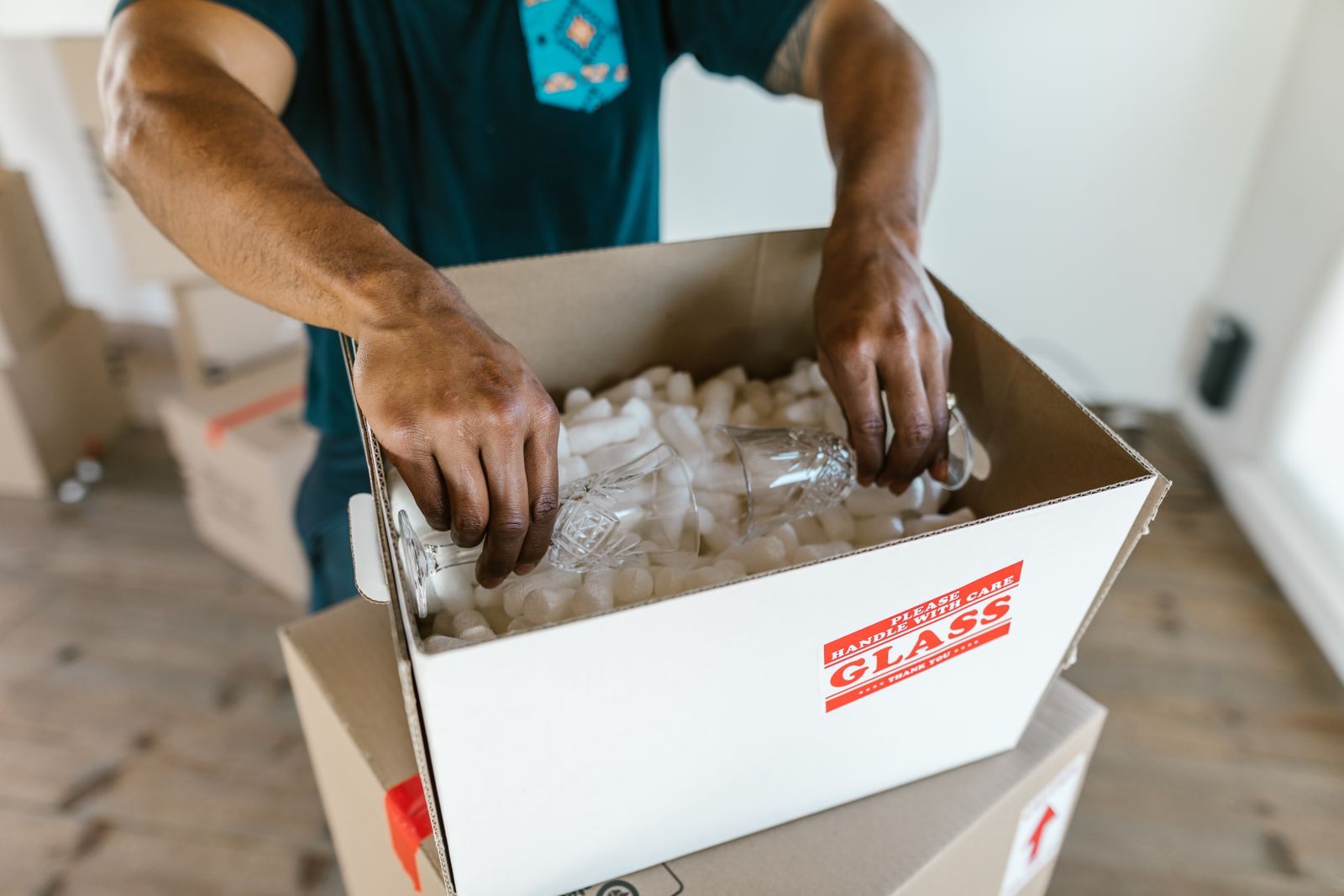
- Wrap each item separately in bubble wrap, foam or paper.
- Put a layer of cushioning on the bottom before the item goes in.
- Center the item, then fill every gap on the sides and top.
- Pack heavy items at the bottom and lighter ones on top.
- Give the closed box a gentle shake: if anything moves, add more fill.
Seal It With the H-Tape Method
Use pressure-sensitive packing tape at least two inches wide, not masking tape, string or paper wrapping. Tape the center seam on the top and bottom, then tape across both edge seams on each end so the tape forms an H. Heavy boxes benefit from an extra strip.
Label It Clearly
- Print or write the recipient’s full name and address, including apartment or suite number and ZIP code.
- Add your own return address in the top-left corner or on the label.
- Put the label flat on the largest surface, not over a seam or edge.
- Cover or remove any old labels and barcodes.
- Put a copy of both addresses inside the box in case the outer label is damaged.
Words like Fragile or This Side Up help a little, but they are no substitute for good packing: packages are sorted by machines as well as people.
Frequently Asked Questions
Can I reuse an old shipping box?
Yes, if it is still rigid, has no tears or crushed corners, and you remove or completely cover old labels and barcodes so the package isn’t routed to the old address.
How much cushioning do I need?
Enough that the item can’t move when you shake the closed box, and that no side of the item touches the box wall. Fragile items need more space and a firmer box; see our fragile items section.
Independent guide. Package Shipper is not affiliated with, endorsed by or a reseller for the U.S. Postal Service, UPS, FedEx or any other carrier. Services, rules and rates change; always confirm the current details on the carrier’s own website before you ship.
Next: Measure and Weigh
Find out how carriers use size as well as weight, and how to measure your box correctly.
Dimensional Weight Explained