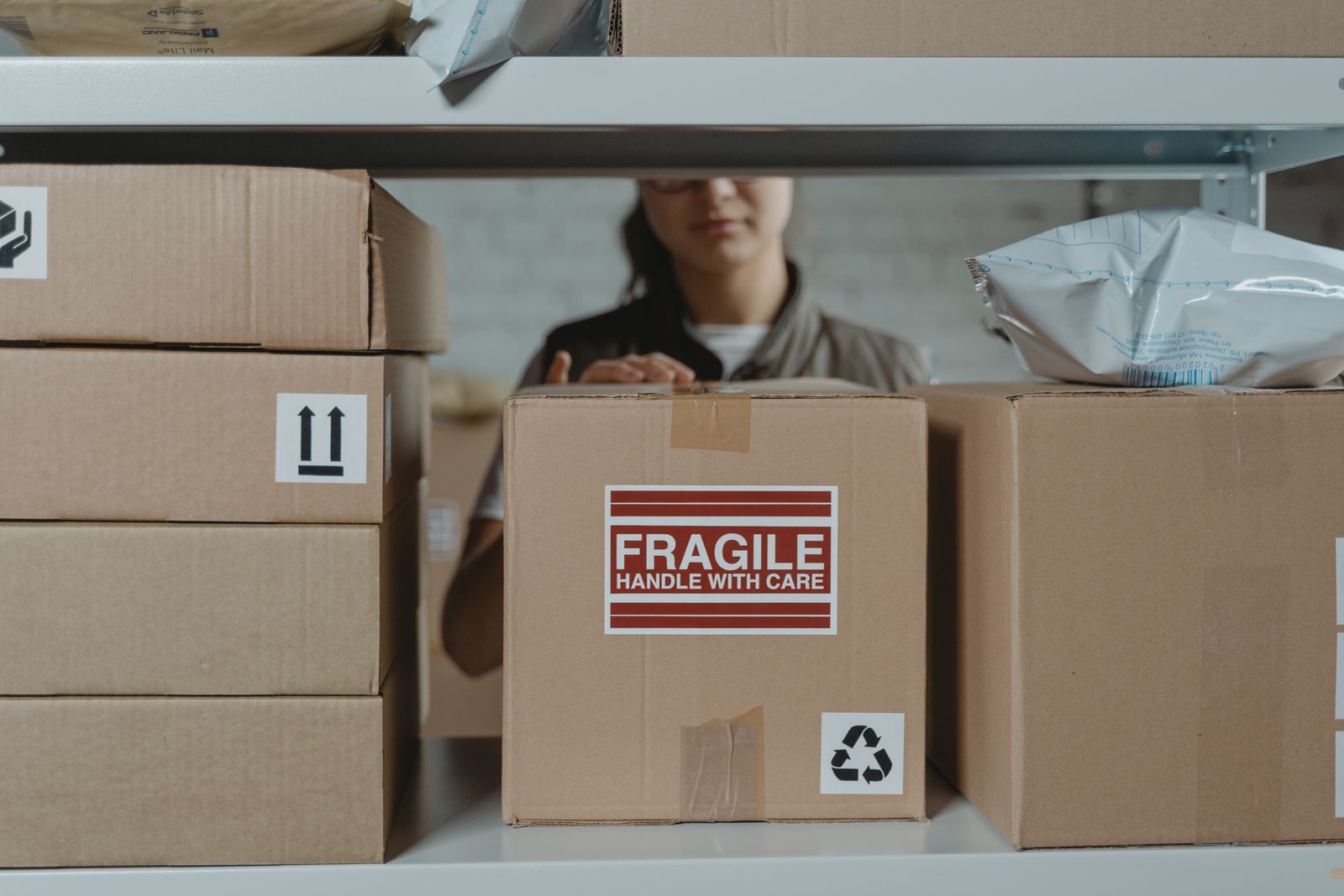
Insurance, Tracking and Fragile Items
Extra protection for valuable, fragile and oversized packages.
Back to the GuideMost packages arrive safely, but valuable, fragile or large items deserve extra care: good packing, tracking, the right amount of insurance, and sometimes a signature on delivery.
Tracking
Most services include tracking that shows when the package is scanned in, moves between facilities and is delivered. Share the tracking number with your recipient, and check it only through the carrier’s official website or app — fake “delivery problem” texts are common.
Signature Options
A signature requirement means the package won’t be left on the porch. It is worth considering for valuable items and anything that would be a problem if stolen, though it can delay delivery if nobody is home.
Shipping Insurance
- Find out what coverage, if any, is already included with the service.
- Buy additional coverage up to the item’s real value; you can’t usually claim more than you can prove.
- Read the exclusions: jewelry, cash, art, antiques and some electronics often have special limits.
- Keep receipts and take photos of the item and the packing before you seal it.
- Note the claim deadline and file promptly if something goes wrong.
Some independent companies sell shipping insurance too; compare their terms with the carrier’s before you rely on them.
Shipping Fragile Items
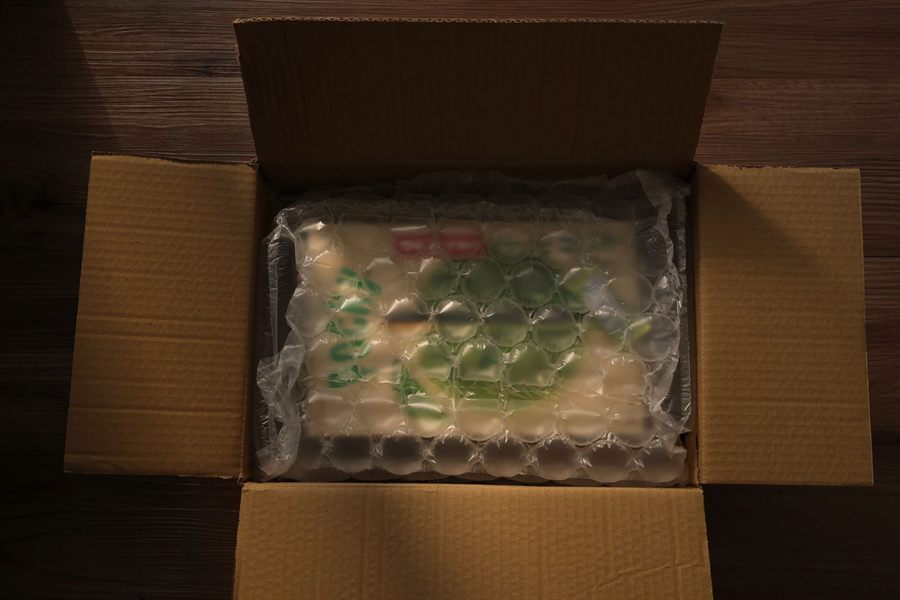
- Wrap each piece separately and fill any hollow spaces, such as the inside of a cup or vase.
- Use the box-in-box method: pack the item in a small box, then put that box in a larger one with cushioning on every side.
- Keep fragile items away from the walls and corners of the outer box.
- Ship plates on edge, not stacked flat.
- Use a new, strong box and plenty of tape.
Shipping Large or Heavy Items
- Check the carrier’s maximum weight, length and length-plus-girth limits before you pack.
- Use a double-wall box and reinforce the bottom; consider a wooden crate for very heavy or valuable items.
- Expect large-package or oversize charges, and compare a freight service for very big shipments.
- Furniture and appliances are often better handled by movers or freight companies than by parcel services.
Frequently Asked Questions
Do packages come with insurance?
Some services include a basic amount of coverage or liability; others include none. You can usually buy more, up to a limit. Read what is excluded: many policies exclude poorly packed items, certain valuables, or damage the carrier blames on packing.
What should I do if a package arrives damaged?
Keep the box, packing material and item, take photos right away, and file a claim with the carrier promptly within its deadline. The sender usually needs proof of value, such as a receipt.
How do I ship something large?
Check each carrier’s size and weight limits first. Large items may need a heavy-duty or double-wall box, a freight service, or a local packing and shipping store that can crate them.
Independent guide. Package Shipper is not affiliated with, endorsed by or a reseller for the U.S. Postal Service, UPS, FedEx or any other carrier. Services, rules and rates change; always confirm the current details on the carrier’s own website before you ship.
Find a Local Shipping Store
Need help packing something large or fragile? Search the Best of the USA directory for packing and shipping stores near you.
Find Local Businesses